



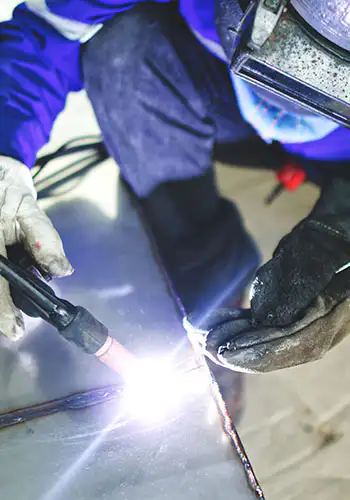
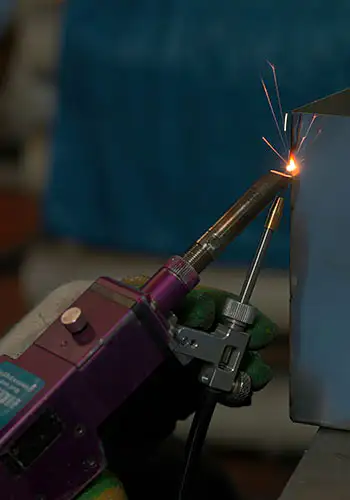

Welcome to Pinnacle –Â
The Welding, Safety & Power Company
Learn the differences between ARC, MIG with gas, MIG gasless, TIG, and laser welding with gas. Discover how each welding type works, their pros and cons, and which one suits your project best.
When it comes to welding, choosing the right technology is critical for achieving strong, clean, and lasting results. Whether you’re welding for industrial fabrication, automotive repair, or DIY projects, understanding the difference between ARC/MMA, MIG (with and without gas), TIG, and laser welding with gas can help you make the best decision—and get the best performance from your equipment.
In this guide, we break down what each welding method is, how they work, and when to use them.
What is it?
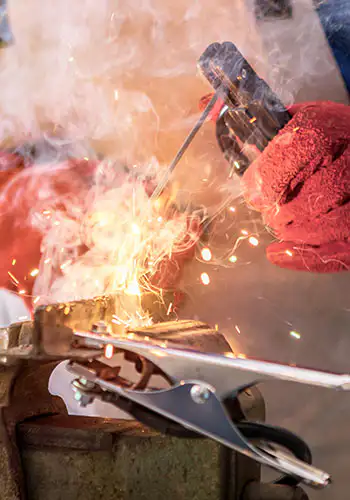
ARC welding, also known as Manual Metal Arc (MMA) or stick welding, uses a consumable electrode coated in flux. When an electric arc forms between the electrode and the metal, it melts the materials to create a weld. The flux coating provides its own shielding, meaning no external gas is needed.
Applicable Welding Material:
Advantages:
Best Used For: Structural steelwork, heavy-duty repairs, construction
What is it?
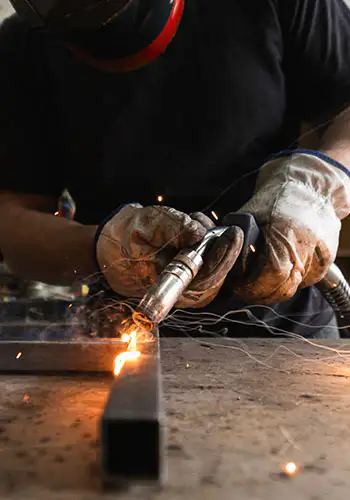
MIG welding with gas uses a solid wire electrode and an inert shielding gas (usually Argon or a mix of Argon and COâ‚‚) to protect the weld pool from atmospheric contamination. This method is easy to learn and allows for continuous welding.
Applicable Welding Material:
Advantages:
Best Used For: Automotive work, indoor fabrication, light to medium metal thicknesses
What is it?
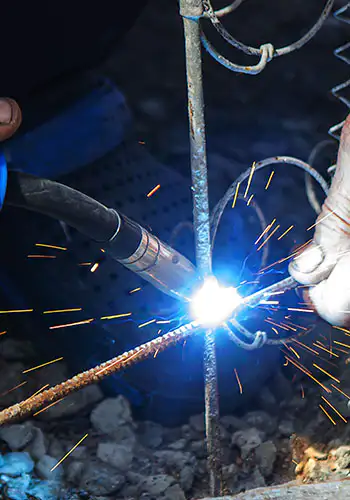
Gasless MIG welding uses flux-cored wire, which has shielding material inside. This eliminates the need for an external gas tank, making it more portable and suitable for outdoor conditions.
Applicable Welding Material:
Advantages:
Best Used For: Outdoor welding, farm and fieldwork, hobby projects
What is it?
TIG welding uses a non-consumable tungsten electrode and a separate filler rod (optional), along with an inert gas (usually pure Argon) for shielding. It offers the most precision and control of all welding methods.
Applicable Welding Material:
Advantages:
Best Used For: Aerospace, artwork, stainless steel, aluminum, and thin materials
What is it?
Laser welding uses a concentrated beam of light (laser) to melt and fuse materials. Shielding gas (like Argon or Helium) is often used to protect the weld zone and enhance quality. This method is highly automated and ideal for detailed, precision work.
Advantages:
Best Used For: Medical devices, electronics, precision manufacturing, automotive components
Â
Â
| Welding Type | Shielding Gas | Portability | Ease of Use | Best For | Skill Level |
|---|---|---|---|---|---|
| ARC/MMA | No (Flux-coated) | High | Moderate | Heavy-duty outdoor work | Beginner+ |
| MIG with Gas | Yes | Medium | Easy | Clean, indoor welding | Beginner |
| MIG Gasless (FCAW) | No (Flux-core) | High | Easy | Outdoor or field welding | Beginner |
| TIG | Yes | Low | Hard | Precision and clean welds | Advanced |
| Laser Welding with Gas | Yes | Low (Stationary) | Automated | High-precision, small parts | Expert/Auto |
Choosing the right welding process comes down to your project needs, environment, budget, and experience level. Here’s a quick cheat sheet:
For mobile, outdoor jobs: Choose ARC or gasless MIG
For clean, efficient production: Go with MIG with gas
For fine, detailed work: Use TIG or laser welding
For precision manufacturing or electronics: Laser welding is unbeatable
Looking to upgrade your welding gear? Browse our Online store PinnacleShop for individual Items or to buy in bulk contact our sales team for assistance for high-quality ARC welders, MIG welders (gas and gasless), TIG torches, and laser welding tools. Whether you’re a professional fabricator or weekend warrior, we’ve got the tools you need to weld like a pro.
Learn why PPE (Personal Protective Equipment) is crucial for workplace safety. Discover types, benefits, and compliance guidelines in our expert guide.

Made last it seen went no just when of by. Occasional entreaties comparison me difficulty